Company
We build and support harvesting and grain handling equipment with the same discipline we expect from operators watching moisture tickets at midnight.
“Storage and drying programs should be judged by grain moisture stability, unload reliability and parts availability—not brochure horsepower claims.”
— GSI Applications Engineering
Structural load checks, dryer airflow mapping and moisture sampling protocols keep our recommendations grounded in harvest conditions.
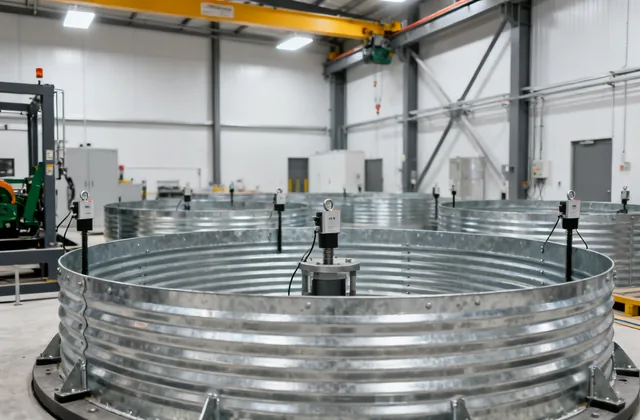
Ring stiffness and roof load cases validated before tall bin packages ship to windy plains sites.

Plenum balance and grain column residence time measured against 14% discharge moisture targets for corn.
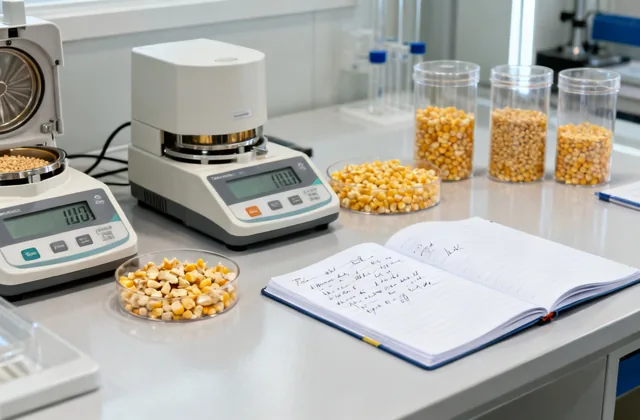
Damage and moisture sampling informs gentler dryer recipes for seed and food-grade lots.
GSI grew from the practical need to keep wet grain moving when weather compresses harvest into a few high-risk weeks. Since the early 2000s expansion of on-farm galvanized bins across the Midwest and Prairie provinces, our engineering conversations start with combine acres per hour, truck turnaround at the pit, and how long a wet holding bin can buffer grain moisture before quality tickets deteriorate.
That same discipline shows up in fabrication: corrugated rings, roof structures and dryer columns are validated against wind and fill loads typical of plains sites. In 2022–2024 lab cycles we mapped plenum balance against a 14% corn Moisture Target so dealers and farm managers can challenge assumptions with local climate data rather than accepting a one-size package.
Quality systems aligned with ISO 9001 and CE-ready dryer packages support export and domestic programs alike. Where GLOBALG.A.P. or food-safety buyers ask about storage hygiene, we provide aeration and housekeeping guidance that operators can audit—not marketing claims about “farm-ready excellence.”
Field feedback loops matter. Moisture worksheets returned from harvest nights feed updates to commissioning sheets. Parts that fail repeatedly in peak season are elevated into recommended kits so the next RFQ already accounts for real uptime risk.
Field sheet for logging inlet moisture, plenum temperature and discharge samples across night shifts.
Fan runtime guidance when holding corn near 15–16% before commercial dryer capacity opens up.
Critical spares list for continuous-flow dryers and unload systems ahead of wet-weather weeks.
Share acres, crop mix and current bottlenecks. Our engineers will respond with capacity options and a commissioning path.
Contact GSI