+1-800-474-2471  |  [email protected] EN
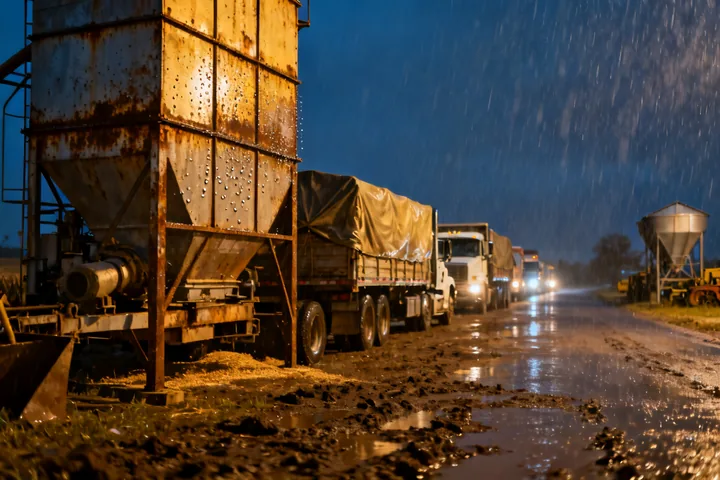
Unplanned dryer downtime during harvest
Without coverage

Wet loads stack at the pit while a single sensor or burner part waits on freight.

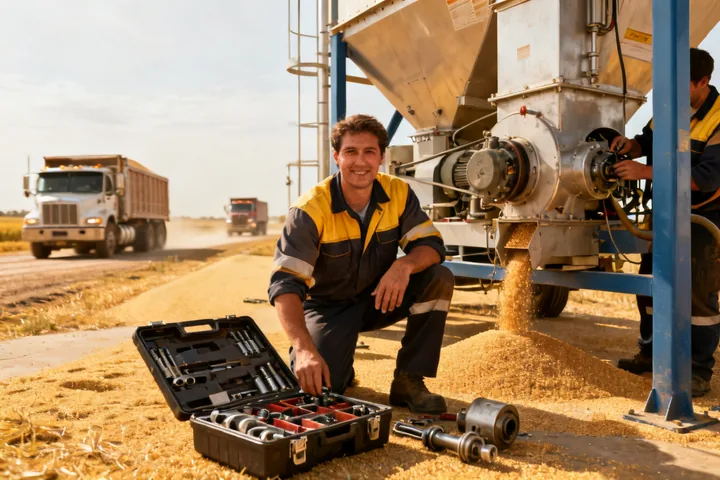
GSI field service restoring dryer uptime
With Field Service Plan

Pre-staged kits and commissioning sheets keep unload and drying cycles inside the harvest window.

Field Service

GSI Field Service Plan for spare parts, commissioning and uptime

Coverage built for grain bins, dryers and handling lines—so growers are not improvising critical repairs in the wettest week of the year.

Estimate the cost of dryer downtime

Use this planning layout with your own harvest numbers. It is a decision aid for procurement—not a price quote.

18
$0.12 / bu
6 hrs
Planning signal: A single six-hour dryer stop during wet corn week can erase more margin than a season of parts kit fees—especially when trucks re-route to competing elevators.

Share your bushels, crop mix and dryer model on the form below for a site-specific coverage recommendation.

Spare parts coverage

Kits focus on components that historically stop continuous-flow dryers and unload systems: moisture probes, burner controllers, belts, bearings and unload motors. Structural sheet goods remain quote-based because freight and fabrication lead times differ from stocked controls.

Commissioning support

Before first wet load, technicians walk aeration fans, safety cables, flame safeguards and sensor placement. Operators leave with a moisture worksheet keyed to the site’s crop mix rather than a generic “run until it looks dry” instruction.

Uptime windows

Peak-season response targets assume stocked hubs and an active plan. We publish realistic windows—48 to 72 hours for critical classes—so procurement can budget contingency instead of hoping overnight freight materializes in a regional storm.
Field outcomes from covered sites

Midwest co-op, Sept 2024 harvest

Background: Wet corn tickets climbed after a two-day rain delay; a continuous-flow moisture probe failed mid-morning.
Response: Priority sensor kit shipped under the 48-hour peak window from a stocked hub.
Result: Receiving lanes cleared before evening dock penalties stacked; operators logged discharge samples near the 14% Moisture Target that night.

On-farm dryer expansion, 2023

Background: Grower added a continuous-flow unit beside existing galvanized bins without rewriting unload sequencing.
Response: Commissioning checklist caught unbalanced plenum airflow before first wet fill.
Result: First-week discharge stayed on the 14% target band instead of oscillating 16–18% when wet holding emptied unevenly.

Seed plant spring fill, Jan 2025

Background: Food-grade and seed lots scheduled for planting contracts needed unload reliability after winter idle.
Response: Seasonal inspection flagged worn unload chains and recalibrated grain moisture probes.
Result: Bins reopened on plan; germination lots avoided sharing the hotter commercial corn recipes used the prior autumn.

Coverage limits we disclose up front

Remote transit lag

Published 48–72 hour peaks assume stocked regional hubs. Sites beyond those hubs add freight days; we state that gap on the plan rather than promising overnight miracles.

Structural sheet goods

Bin sheets, roof panels and catwalk sections remain quote-based. Fabrication and freight lead times differ from stocked burner controllers and moisture probes.

Weather & power boundaries

Plans cannot override utility outages, flooded access roads or dryer fuel interruptions. Coverage restores equipment paths once site power and access return.

Selection comparison: reactive freight vs Field Service Plan

Compare decision factors procurement teams actually score—not brand slogans. Values are planning ranges from 2023–2025 harvest desks; your dealer quote remains definitive.

Decision factor Reactive overnight freight GSI Field Service Plan
Critical dryer controls (peak) Carrier-dependent; often 2–5 days in storms Target 48 hours from stocked hubs
Commissioning before first wet load Usually ad hoc, checklist varies by tech Documented aeration, flame and moisture sheet
Grain moisture sampling discipline Operator improvises inlet/discharge logs One-page worksheet keyed to crop mix
Known limitation Low retainer cost, high harvest-week risk Retainer + kit fees; remote sites still add transit

Request a Field Service Plan review

Tell us dryer model, bin count and harvest start. We will propose commissioning steps, kit contents and response windows your dealer can staff.

  • Spare parts coverage for peak harvest
  • Commissioning before first wet load
  • Uptime windows matched to crop calendar